

The toughness most adults raised in the 1960s and 70s carry into late life wasn’t chosen — it was what assembled itself in the silence left behind by the softness that was never offered, and they have been calling it character ever since, partly because they earned it, and partly because nobody ever gave them better language for what it really was

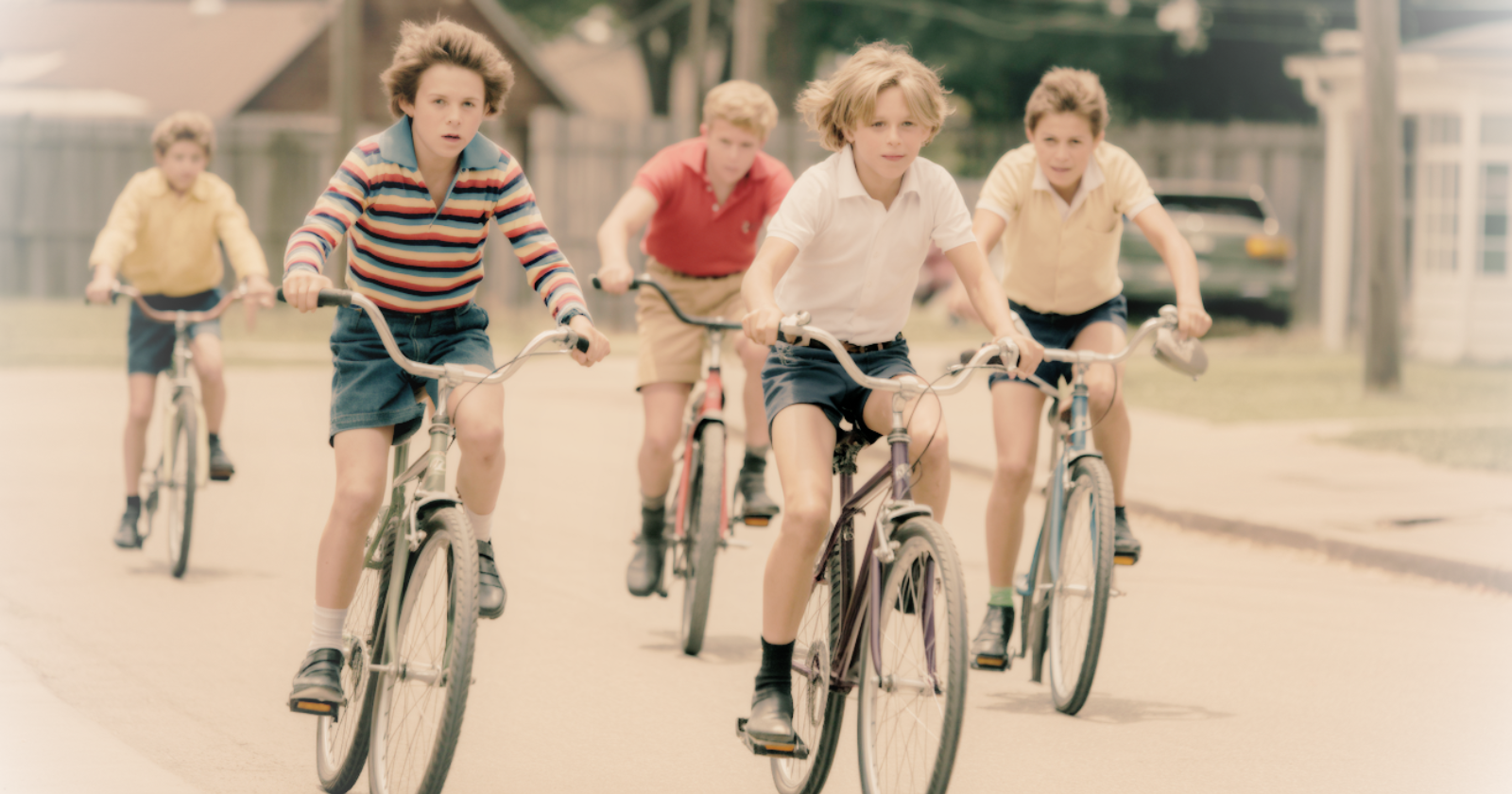
There is a particular kind of toughness that the adults I have been watching across the last decade, the ones who were raised in the 1960s and 1970s, have been carrying into late life. The toughness is real. The toughness has, by every visible measure, served them across decades of adult life that the contemporary register would, in most cases, characterize as more structurally demanding than the equivalent decades of more recent generations. The toughness is what the wider register has been admiring, with various imprecise framings, for as long as the relevant adults have been visibly displaying it.
What the wider register has not, on the available evidence, adequately registered is what the toughness is actually a structural product of. The standard cultural framing has tended to treat the toughness as the result of a particular kind of moral choice, in which the adults of that generation deliberately developed the capacity in response to the conditions they were navigating. The framing is partly accurate. The framing is also, on close examination, considerably less accurate than the adults themselves, in their more honest moments, would acknowledge.
What the toughness actually is, on close examination, is the structural residue of what assembled itself in the small daily silences left behind by the softness that was never, in any sustained way, offered to the children who became these adults. The toughness was not, in most cases, chosen. The toughness was what filled the space where the alternative would have been, if the alternative had been available. The alternative was not available. The toughness accordingly assembled itself, by structural necessity, across the years of childhood, and the adults the children became have been carrying it ever since.
What the silence actually consisted of
It is worth being precise about what the silence consisted of, because the wider register has not, on the available evidence, given particularly good vocabulary to the underlying structural condition.
My father, who was born in the early 1950s, has, on the rare occasions when he has been willing to discuss it, described a particular kind of household configuration that I have come to recognize as widely shared among the adults of his generation. The configuration involved parents who were, by structural necessity rather than by deliberate choice, mostly unavailable for the kind of emotional engagement that the contemporary register would treat as the default minimum of adequate parenting. The parents were working. The parents were managing the various small structural difficulties of the post-war period. The parents were, in most cases, themselves the children of parents who had not been emotionally available, and were accordingly operating on the only template they had been given.
The silence the children of this period grew up inside was not, in most cases, hostile. The silence was, more accurately, the structural absence of the small daily emotional attention that contemporary parenting frameworks have been calibrated to provide. The child fell off the bike. The child was expected to handle it. The child experienced the various small social difficulties of school, the various small bewilderments of childhood, the various small interior weather that children carry through their early years. The wider environment, in most cases, did not have the available bandwidth to attend to any of this. The child accordingly developed the small ongoing internal practice of handling whatever was occurring without external mediation, because external mediation was not, by structural design, available.
My uncle, who is now in his early seventies and who lost his wife in 2019, has been particularly direct about this in the few conversations we have had on the subject. He told me, in a way that I have been thinking about ever since, that his generation was not, on close examination, taught to suppress emotions. His generation was, more specifically, never taught that emotions were the kind of thing that could, in principle, be acknowledged at all. The not-acknowledging was the default condition. The various forms of soft engagement that the contemporary register has been calibrated to consider essential to adequate childhood were, in his account, simply not part of the available vocabulary that the wider environment was operating on.
What the toughness actually assembled itself out of
The toughness that assembled itself in this silence is, on close examination, structurally distinct from the toughness the wider self-help register has been calibrated to admire. The wider register has tended to treat toughness as the visible result of deliberate cultivation, calibrated to the standard cultural framings of grit, resilience, and the various other features the contemporary register has been organizing around.
The toughness of the 1960s and 1970s generation is, on close examination, structurally different. The toughness is, more accurately, the structural product of a child’s apparatus being forced to handle, by itself, the various forms of interior weather that the wider environment was not, by structural design, available to help process. The apparatus accordingly developed the small ongoing practice of processing the weather without external support. The practice was small. The practice, accumulated across the entire decade of childhood, produced an apparatus that has been operating in this configuration ever since.
The configuration produces, on the available evidence of the adults who have it, a particular kind of structural functionality that the contemporary register has tended to register as toughness. The adults are, by every visible measure, capable of handling considerable amounts of difficulty without requiring external intervention. The adults are, in most cases, able to function through the various forms of personal and professional adversity that have arrived across their adult lives, in many cases without the visible signs of strain that the contemporary register would predict.
What the wider register has been registering as toughness is, more accurately, the structural condition of an apparatus that has never developed the capacity to expect external support, and that accordingly does not register the absence of external support as the structural problem the contemporary register has been treating it as. The apparatus is doing what it has been calibrated, since childhood, to do. The doing looks, from outside, like toughness. The doing is, on close examination, the only configuration the apparatus has ever known.
Why the adults call it character
The adults of this generation have, in most cases, been calling the toughness character for as long as I have known any of them. The calling has, on close examination, two structural sources that are worth attending to separately.
The first source is that the adults have, in some real way, earned the configuration. The work of having processed considerable amounts of interior weather without external support across decades is real work. The work has produced, in the adults who performed it, a particular kind of demonstrated capacity that the wider register would, by any reasonable accounting, recognize as character. The calling-it-character is, in this respect, not inaccurate. The configuration is a feature the adults have, in some real way, structurally developed across their lives, even if the development was not, in any meaningful sense, deliberately chosen.
The second source is structurally more uncomfortable. The adults are calling the configuration character partly because the wider register has never given them better language for what it actually is. The alternative language would require the adults to acknowledge that the toughness assembled itself in the structural absence of the softness that the wider register now treats as the default minimum of adequate childhood. The acknowledgment would, on close examination, require the adults to register their own childhood as having been, in some structural sense, undersupplied. The registering is uncomfortable. The registering would also, in some real way, retroactively reframe the toughness as something other than the moral achievement the calling-it-character has been treating it as.
The adults have, accordingly, mostly declined to perform the registering. The not-performing is not, on close examination, a failure of insight. The not-performing is, more accurately, the structural product of operating with the available vocabulary that the wider environment has provided. The wider environment has not, until quite recently, provided particularly good vocabulary for what the toughness actually was. The adults have accordingly been calling it character, which is the closest available term in the vocabulary they have been operating with.
What I have been thinking about, watching this generation age
What I have been thinking about, watching the adults of this generation move into late life, is the particular structural cost the configuration has been imposing on them in the period when the configuration is, in some real way, no longer as functionally useful as it was during their working years.
The configuration is calibrated to operating without external support. The calibration was, during the working years, structurally well-suited to the various forms of adult difficulty the adults were navigating. The configuration is, in late life, structurally less well-suited to the various forms of difficulty that late life actually presents. The various forms of physical decline. The various forms of relational loss. The various forms of interior weather that late life produces with considerable regularity.
The configuration continues, by structural design, to refuse external support. The refusing is small in any single instance. The refusing, accumulated across the years of late life, produces a particular kind of isolation that the adults themselves are, in most cases, not registering as the cost it actually is. The adults are doing what they have always done. The doing is what the wider register has been calling character. The doing is also, on close examination, what is currently leaving many of these adults considerably more alone than the alternative configuration would have produced.
This is, in some real way, the structural fact that the adults of this generation are, in late life, sitting inside without quite having the available vocabulary to articulate. The toughness that served them through their working years is, in some real way, now operating against them in the period when the alternative configuration would, more specifically, have been the structurally appropriate one.
The acknowledgment this article wants to leave
The toughness most adults raised in the 1960s and 1970s carry into late life is, on close examination, not the moral achievement the standard cultural framing has been treating it as. The toughness is, more accurately, the structural residue of what assembled itself in the small daily silences left behind by the softness that was never, in any sustained way, offered to the children who became these adults. The toughness was not chosen. The toughness was, more specifically, what filled the structural space where the alternative would have been, if the alternative had been available.
The adults have been calling the configuration character ever since, partly because they earned it through the real work of processing considerable interior weather without external support, and partly because the wider register has not, until quite recently, given them better language for what the configuration actually was. The calling-it-character is partly accurate. The calling-it-character is also, on close examination, the partial misrecognition that has allowed the adults to live with the configuration without having to fully register what it had been the structural product of.
The wider register would benefit, on the available evidence, from absorbing the more accurate framing with considerably more seriousness than it has so far. The absorbing would not, in itself, change anything about the configuration the adults are currently inside. The absorbing would, more modestly, give the adults the better language they have, in some real way, been waiting for without quite knowing they were waiting. The waiting is what most of the underexpressed interior life of this generation, in late life, has been quietly organized around. The giving of the language, modestly, is what articles like this one are calibrated to begin.