

Stay-at-home parents who thrive often haven’t escaped the hard parts of the role — they’ve simply stopped expecting the role itself to give them everything an entire life is supposed to contain

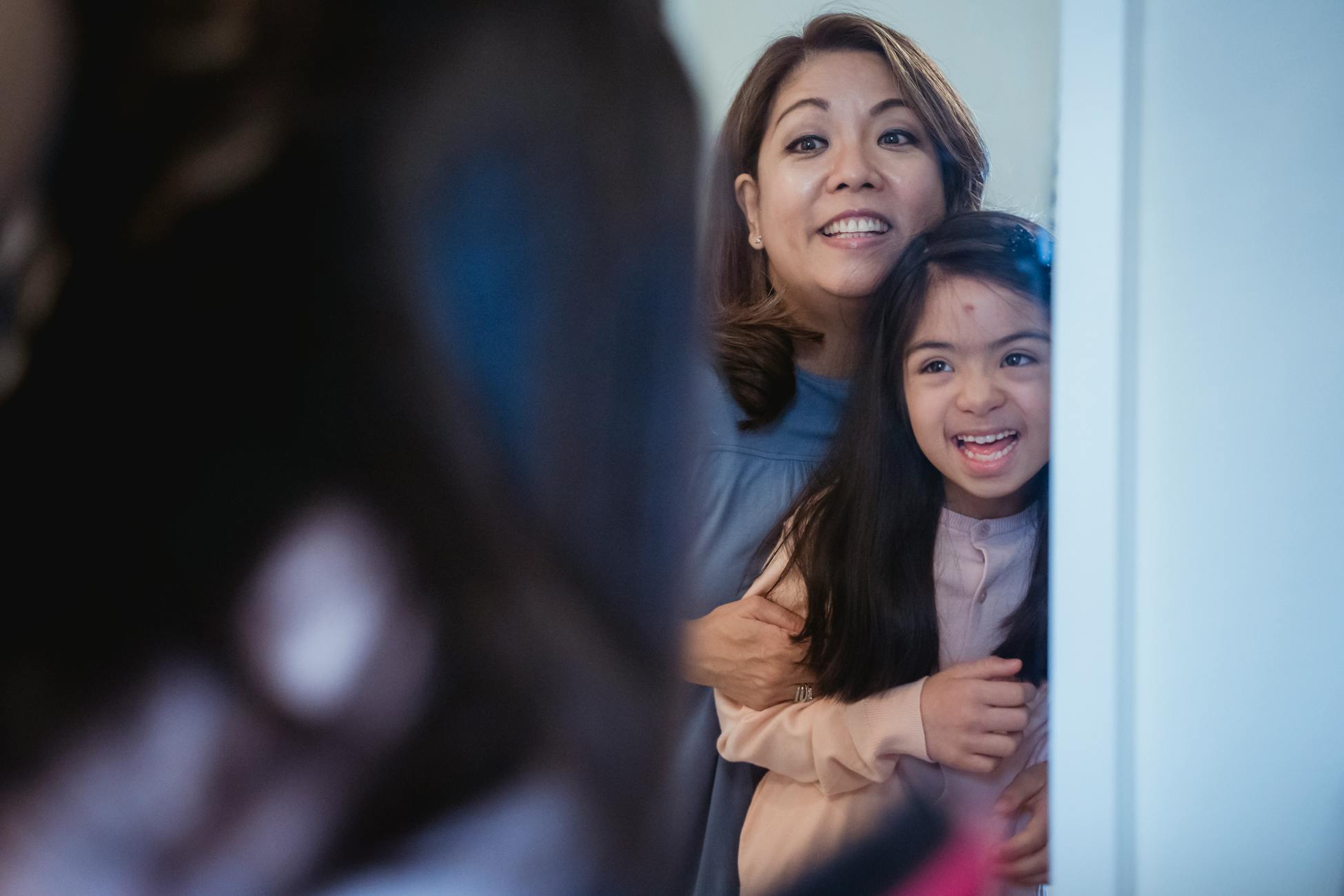
What if the unhappiest stay-at-home parents aren’t the ones who find the work hardest, but the ones who expected the work itself to be enough?
I’ve been watching my family members raise children for a long time now. One mother stayed home for nearly a decade. Another worked through it all. Another did a bit of both, in fits and starts, depending on what the family needed that year. And from where I sit, at 77, with the long view that comes from having watched people I love move through this season, I can tell you the ones who thrived weren’t the ones who escaped the hard parts. The hard parts came for everyone. Tantrums, isolation, the strange grief of a body that no longer feels entirely your own, the days that feel both endless and gone before you can catch them.
The ones who thrived had simply stopped expecting the role to give them everything an entire life is supposed to contain.
That’s a fine distinction, but I think it’s the whole game.
The conventional wisdom, at least the version I grew up with and the version that still seems to be peddled in glossy magazines and well-meaning Instagram posts, runs something like this: if you choose to stay home with your children, that choice should be enough. It should fulfil you. The smell of a baby’s head, the milestones, the noble work of shaping a small human — that’s the whole offering. Anything less than total devotion to the role is treated as a failure of love or a failure of patience.
I’ve come to think this is one of the cruellest stories we tell parents.
No single role contains an entire life. Not motherhood. Not fatherhood. Not the business I ran for thirty years, though I tried for a long stretch to make it so. When I poured myself entirely into work in my forties, I wasn’t a better businessman. I was a depleted one. And the men I knew who staked their whole identity on the company they ran went to pieces when they sold up or retired. They had nothing left to come home to inside themselves.
Why would parenting be any different?
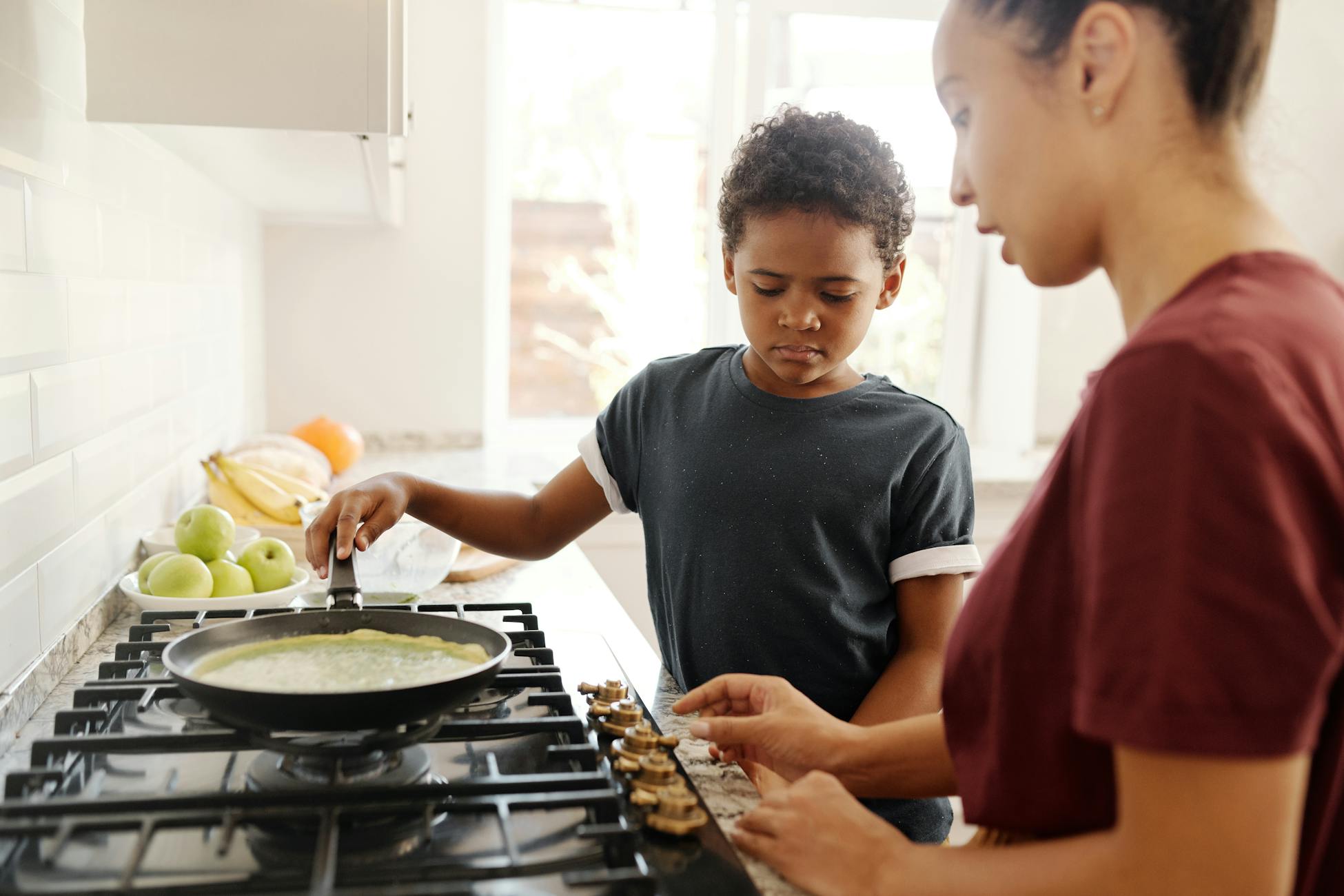
The mother who stayed home and did beautifully had a small pottery studio set up in the garage. Nothing serious. She sold a few pieces at a market once a year. But she had a thing that was hers. She had a friend she walked with on Tuesdays whether the kids cooperated or not. She read books that had nothing to do with parenting. She was a mother, fully, but she wasn’t only a mother. The role was a room in her house. It wasn’t the whole house.
The one who struggled hardest had done the opposite. She’d given everything over. She’d read every parenting book, attended every class, made every meal from scratch, and then wondered, somewhere around the time her eldest started school, why she felt so hollowed out by something she’d been told would fill her up. She wasn’t lazy. She wasn’t ungrateful. She had simply followed the instructions she’d been given, and the instructions were wrong.
I’m not the only one noticing this pattern. Working mothers face mounting pressures of depression and burnout, and parents and teens together are experiencing a growing mental health crisis. Stay-at-home parents aren’t escaping any of it by being home. The numbers tell you that. Parents with young children report overwhelming stress about their kids’ mental health. Being at home doesn’t insulate you. If anything, it concentrates the worry.
So if the role itself isn’t going to deliver the goods, what then?
Here’s what I’ve watched the thriving ones do. They build a life around the role rather than inside it.
That sounds simple. It is not. It requires a kind of psychological stubbornness that goes against everything a sleep-deprived parent of a toddler is being told. It means protecting an inner life — interests, friendships, ambitions, quiet pleasures — at exactly the moment when every demand on you is asking you to abandon them. It means saying, this child is one of the most important things in my life, and also, this child is not the only thing in my life, and refusing to feel guilty about the second sentence.
The mothers and fathers I’ve watched do this well treat the role the way I now treat my morning walks. The walks matter. They’re sacred to my day. But if all I had was the walking, with nothing to come back to — no books to read, no guitar to fumble through, no library to volunteer at on Thursdays, no wattlebirds making a racket in the bottlebrush, no wife to share a cup of tea with afterwards — the walking would lose its meaning. It needs the rest of the day to mean what it means.
Parenting is the same. It needs the rest of a life to mean what it’s meant to mean.
Most stay-at-home parents I know, if you asked them where in their life they feel they matter most, would answer with one word: their kids. And the kids do matter. Of course they matter. But a life that has only one site of mattering is a fragile life. The kids grow up. The kids have a hard year. The kids reject you for a while, the way teenagers do. The kids leave. If everything that gave you a sense of mattering was held inside that single relationship, what do you do then?
I came across a video recently from The Artful Parent that explores a similar paradox—why adult children sometimes drift away despite loving their parents, and the subtle warning signs that get missed along the way. It’s worth watching if this theme of unintentional isolation resonates with you.

I think this is why so many parents I’ve watched fall into a quiet identity crisis somewhere around the time their youngest hits high school. They thought they were doing the right thing by giving everything. What they were really doing was emptying themselves out. The feeling of, if you took away my labels, would there still be a me? Stay-at-home parents are particularly vulnerable to this, because the label is so total, so consuming, so easily mistaken for the self.
The thriving ones I’ve known refused to make that mistake. They kept a self in reserve. Not in a withholding way, not in a way that made them less present with their children. The opposite, actually. They were more present, because they weren’t strip-mining their own interior to find something to give.
I’ve written before about how the happiest older people let their worlds get smaller on purpose, and there’s a connection here, though it might not be obvious. Letting your world get small at 77 only works if you have a real world to begin with — a self with hobbies and curiosities and friendships you’ve maintained. The parents who give themselves over completely to the role aren’t making their worlds smaller on purpose. They’re letting their worlds shrink by default, by neglect, by the relentless pull of caretaking. And when the caretaking ends, there’s nothing there.
What does this look like in practice? Small things, mostly. Boring things, even. The friend you keep ringing even when you have nothing new to say. The book club that meets whether or not you’ve finished the book. The garden bed that’s yours, not the family’s. The half-hour after bedtime that belongs only to you, even if all you do is sit and stare at the wall. The thing you used to be good at before the kids came, the thing you’ve promised yourself you’ll get back to, and that you actually do get back to, even badly, even ten minutes at a time.
The role of stay-at-home parent is honorable, and difficult, and worth doing well. But it’s a room, not a house. The thriving ones know this. They don’t try to live their entire lives inside that one room, however much they love what happens there. They keep the rest of the house lit. They keep tending the garden. They keep a chair by the window that’s just for them.
That, I think, is the quiet trick of it. Not escaping the hard parts. Not pretending it’s easier than it is. Just refusing the lie that the role itself is supposed to be everything. Because nothing is supposed to be everything. Not parenting, not work, not marriage, not even, in the end, a self. A life is built of many rooms, and the people who do well in any one of them are usually the ones who have learned to keep moving through the others.