

7 simple joys from the 90s that today’s kids will never understand


With tech, streaming, and smartphones, life now is basically one big “on demand” button.
You want a song? Spotify. A show? Netflix. A friend? DM.
Convenient? Definitely, but every now and then, I catch myself missing the 90s in a way that has nothing to do with fashion or old-school gadgets.
I miss the feel of that time: The slowness, the anticipation, and the way tiny moments somehow felt huge.
If you grew up then, you know exactly what I mean; let’s dive into seven of them:
1) Waiting all week for your favorite TV show
Remember when your favorite show came on once a week at a specific time?
If you missed it, you missed it; you’d literally plan your afternoon or evening around a 22-minute cartoon or a 40-minute drama.
There was something strangely sacred about that schedule.
You’d rush home, grab a snack, and sit through all the ads because that was the deal.
During those ads you’d chat with your siblings, go to the bathroom, or quickly call a friend to ask, “Are you watching this?!”
Kids today can binge an entire season in a weekend.
That’s cool, but it’s also robbed us of something underrated: Anticipation.
In mindfulness and even in Buddhism, there’s this idea that desire and impatience can cause suffering, but not all waiting is bad.
Sometimes, waiting stretches an experience out.
The pleasure started days before the episode when you were just looking forward to it; the 90s taught us to savor cultural moments slowly, not just consume them in bulk.
2) Making the perfect mixtape from the radio
There was an art to making a mixtape.
You had to:
- Wait for the right songs to come on
- Time the recording just right
- Arrange the tracks in the perfect emotional order
- Handwrite the tracklist on that tiny folded insert
It took time, patience, and a bit of luck.
That’s why it meant something.
When you made a mixtape for someone you liked, it was hours of your life, your taste, your vulnerability recorded on a cheap plastic rectangle.
Today, you can send someone a playlist in 10 seconds.
Again, convenient, but it rarely carries the same emotional weight.
There’s a lesson here about effort and meaning: When energy goes into something, value comes out.
3) Calling your friends on the landline and hoping their parents didn’t answer
Before WhatsApp, Messenger, or Snapchat, there was one central social hub: The home phone.
You’d dial your friend’s number and silently rehearse what you were going to say, then their mum would answer and suddenly you’d turn into the most polite version of yourself:
“Hi, um, good evening Mrs. Smith. Is Alex there, please?”
That short moment was weirdly nerve-wracking, but also kind of beautiful.
When your friend finally got on the phone, you’d just talk.
No distractions and no scrolling mid-conversation, just pacing around the hallway, twisting the phone cord, and laughing about nothing.
Today’s kids can bypass all of that with a DM or a voice note.
They never have to face a parent gatekeeper or deal with the awkwardness of asking to talk.
On the surface, that sounds like a win but, socially, we lost some training reps.
Those little frictions taught us confidence, manners, and how to handle social tension.
Looking back, those landline calls were soft exposure therapy for real-world interactions, something a lot of us could still use.
4) Getting lost in an arcade or at the mall
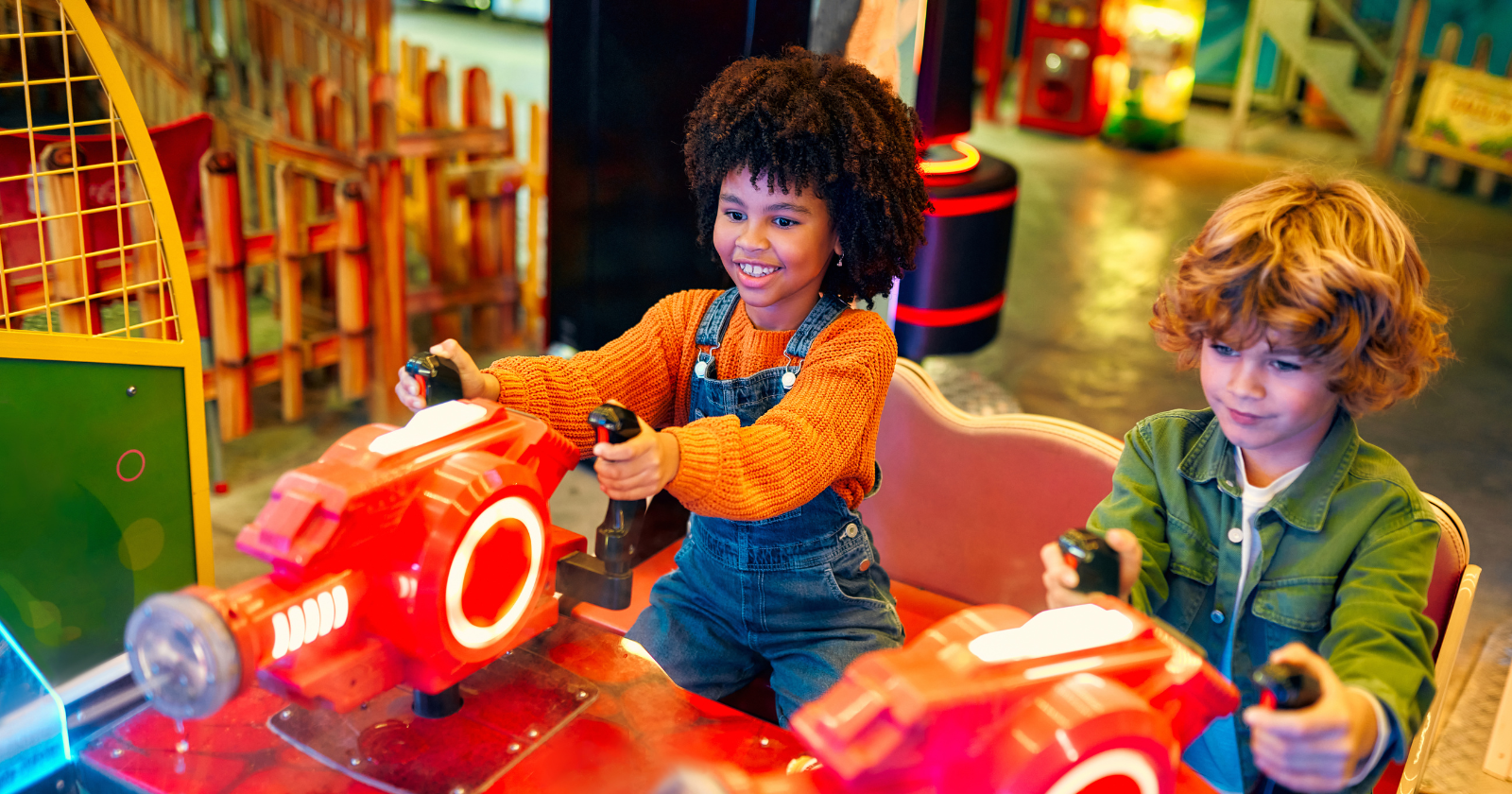
If you were a 90s kid, weekends often meant being dropped off at the mall or wandering around an arcade with a pocket full of coins.
You’d agree on a meeting spot and time—“Let’s meet back at the fountain at 4:30.”—and that was that.
In between, it was total freedom.
There was a kind of unstructured boredom built into the day.
No algorithm was curating your experience as you had to decide what to do, where to go, and who to talk to.
From a self-development perspective, that kind of unplanned time is gold.
It teaches you to make your own fun, deal with boredom, and navigate without constant digital guidance
I’ve talked about this before but unstructured time is where creativity often sneaks in.
When there’s nothing demanding your attention, you finally start to hear your own thoughts.
5) Dropping off film to be developed and waiting to see the photos
Today, you take 25 selfies, delete 24, apply a filter, and post in under a minute.
In the 90s, taking photos was an act of faith.
You’d go on a trip or hang out with friends with a disposable camera.
You’d line up the shot, hope nobody blinked, and press the button; risky retakes and certainly no quick preview.
You’d finish the roll, drop it off at a photo lab, and wait days to see how they turned out.
When you finally picked up that paper envelope and flipped through the glossy prints, it felt like opening a treasure chest.
Some shots were terrible and some were accidental masterpieces, but all of them were real.
You couldn’t curate your life in real time as you just lived it, and the photos followed.
From a mindfulness perspective, that delay created separation between the experience and the memory.
You were just there, and future-you got to enjoy the surprise later.
It’s a good reminder: Not everything needs to be captured and edited instantly.
Sometimes, it’s okay to experience first and reflect later.
6) The ritual of going to the video rental store
There was nothing like walking into a video rental store on a Friday night.
Those aisles of VHS tapes or DVDs, the smell of plastic cases and old carpet, and the “New Releases” wall that was always half empty because the best movies were already taken.
Choosing a movie was a full event:
- Browsing the covers
- Reading the descriptions on the back
- Arguing with siblings about what to get
- Negotiating with your parents: “Just one more, pleeeease”
Then you’d take it home, hope the last person rewound it, and sit down together to watch.
If the movie sucked, too bad because you were stuck with it for the night.
Today you can scroll endlessly through hundreds of options, which ironically makes it harder to choose.
That’s the paradox of choice in action: More options means more stress.
The rental ritual gave us a constraint: You chose one thing and committed to it.
In a world obsessed with optimization and “what if there’s something better?”, there’s something psychologically soothing about just deciding and leaning into that choice fully.
The tape might have been grainy, the sound a bit off, but the experience felt cohesive.
It was movie night, not movie-roulette.
7) Being unreachable (and okay with it)
Here’s something that genuinely blows my mind when I think about it: In the 90s, you could leave your house and become 100% unreachable.
No smartphone, no email in your pocket, no social media notifications; if you were out, you were out.
If someone called and you weren’t home, they’d leave a message on the answering machine or just try again later.
There was no expectation of instant response.
That lack of constant availability created a different mental baseline.
You weren’t subconsciously waiting for the next ping; you were allowed to be fully immersed in whatever you were doing like playing, reading, talking, or just staring out of a bus window.
From a Buddhist perspective, this is huge.
Presence—being where you are, with what you’re doing—is at the heart of so many teachings.
The 90s gave us built-in presence simply because the tech didn’t exist to drag us away from the moment.
Today, we have to consciously recreate that for ourselves with airplane mode, do-not-disturb, and digital detox days.
It’s harder now, but the calm that comes from being truly offline for a while is still one of the most underrated experiences you can give yourself.
Final words
Nostalgia can be a trap if we use it to run away from the present.
The 90s weren’t perfect; there were plenty of problems, bad haircuts, and questionable fashion choices.
Buried inside all that were simple joys that shaped how we related to time, connection, and attention.
Kids growing up today might never fully “get” those exact experiences, but the values underneath them—patience, depth, focus, simplicity—are timeless.
Maybe the real 90s joy isn’t the cassette tape or the VHS itself.
It’s the slower yet softer way we moved through the world, and that’s something we can still choose today.
