

8 small courtesies Boomers still practice that younger generations have quietly abandoned

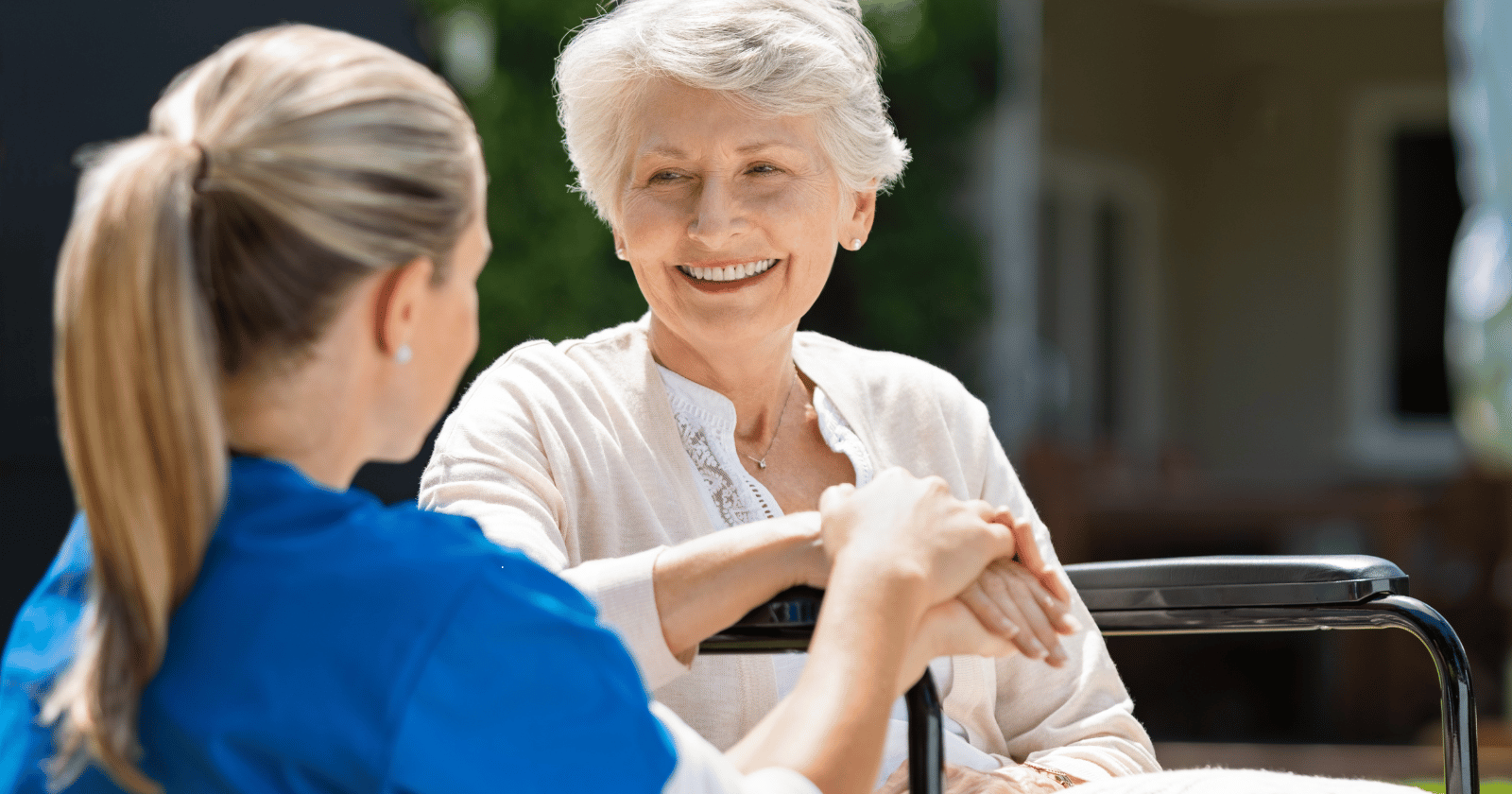
If there’s one thing Boomers deserve a little more credit for, it’s their commitment to everyday manners.
You know, the tiny gestures that make life feel a little more human, like holding the door open, or actually answering the phone instead of ghosting the call.
Somewhere between emojis, Uber Eats, and the rise of “I’ll just text instead,” a lot of these simple courtesies have faded into the background.
Not because younger generations are rude (we’re not), but because the culture shifted. We got busier, more online, and a little more self-protective.
Still, there’s something grounding about these small rituals Boomers hold onto. They remind us that kindness doesn’t always have to be big or performative; it can be subtle, almost invisible, but deeply felt.
Here are eight old-school courtesies that Boomers still practice, and the rest of us could probably learn a thing or two from.
1. Sending thank-you notes (and not just a quick emoji)
When was the last time you actually wrote a thank-you card by hand?
I’m not talking about a “thanks!” text or a heart reaction. I mean a real note: paper, pen, envelope, stamp. For Boomers, this wasn’t an optional nicety; it was a sign of respect.
Etiquette expert Diane Gottsman has written that handwritten notes remind us of “the undeniable power of a thank you”—they show intentionality and thought in a world moving at digital speed.
It’s not about being formal; it’s about being thoughtful. Writing something by hand forces you to slow your mind, reflect, and express gratitude with intention.
When you receive a card, you can feel the time someone spent on it. It’s a little piece of effort that says, “You mattered enough for me to stop scrolling.”
Meanwhile, our generation’s version of “thank you” is a thumbs-up emoji sent while multitasking. Efficient? Sure. Memorable? Not really.
Maybe it’s time to bring back the art of the handwritten note, not because we have to, but because it reminds us to pause, and connect with care.
2. Calling instead of texting in sensitive situations
I get it. Phone calls are anxiety-inducing. You can’t edit your words or hide behind a screen.
But there’s something deeply human about hearing someone’s voice when the moment actually matters.
Boomers still pick up the phone when it counts, whether it’s to congratulate a friend, offer condolences, or resolve a misunderstanding. It’s uncomfortable, but it’s also the kind of discomfort that builds connection.
A study by the University of Texas found that voice calls, compared to texts, lead to stronger feelings of bonding and understanding between people. Basically, hearing someone’s voice triggers empathy in a way typed words can’t.
I’ve had friends text “I’m so sorry for your loss” after a family death, and while I appreciated it, the few who called? Their words stuck longer. You could hear their sincerity.
Texting is convenient. But empathy, real, human empathy, rarely is.
3. Making eye contact with strangers
Somewhere between “don’t talk to strangers” and “everyone’s a potential creep,” younger generations lost the art of eye contact.
We’re pros at avoiding human interaction, AirPods in, sunglasses on, pretending to scroll like our lives depend on it.
Boomers, though? They’ll make eye contact with the cashier, the neighbor, even the random guy walking his dog. And not in a weird way, just a “hey, I see you” kind of way.
Eye contact is one of those primal signals of acknowledgment. It tells someone, “You exist, and I’m not too busy being self-absorbed to notice.”
In fact, the eye-contact effect is a well-documented phenomenon: perceiving direct gaze increases activation in brain regions tied to social cognition, attention, and emotional engagement.
Which might explain why Boomers often come off as warmer in person; they’ve mastered a micro-habit that builds instant rapport.
When was the last time you smiled at a stranger and they smiled back? It’s such a small thing, but it breaks that invisible wall we all build around ourselves. Sometimes the best part of your day is just being acknowledged.
4. Holding doors open (even when it’s slightly inconvenient)
Okay, this one might seem basic, but it’s slowly disappearing.
I can’t tell you how many times I’ve seen someone breeze through a door while the person behind them does that awkward hand-juggle with their coffee.
Boomers tend to pause, hold the door, smile, because it’s muscle memory for them. It’s not about gender roles or expecting thanks; it’s just decency.
It’s wild how something that takes three seconds can shift the tone of someone’s whole day. When you hold the door, you’re essentially saying, “You’re not invisible.”
And it’s contagious. When someone holds a door for me, I instinctively do it for the next person. Courtesy spreads like that, quietly but powerfully.
It’s the simplest form of community care: one second of your time, a moment of kindness for someone else.
5. RSVPing on time (and actually showing up)
If you’ve ever hosted a group dinner in your twenties or thirties, you know the pain: people ghosting your invite until the day of, then texting “might come later” or “oops, forgot.”
Boomers? They RSVP. They confirm. They arrive on time, usually with dessert or a bottle of wine in hand.
Sure, they might overuse exclamation points in the group chat, but at least they respond.
Modern etiquette commentators often point out that ignoring an RSVP isn’t harmless — it signals indifference, even if that’s not the intention.
And they’re not wrong. We’ve normalized flakiness as “protecting our energy,” but there’s a difference between boundaries and basic consideration.
It’s about respect — for someone’s time, their planning, their effort. Even if you can’t make it, saying so ahead of time shows you value their energy as much as your own.
Commitment might be rare, but being courteous is still classy.
6. Saying “please” and “thank you” (even when it’s someone’s job)
This one feels tiny, but it’s not.
I once overheard a Boomer man thank a janitor at the airport for keeping the restroom clean. It wasn’t performative, he just said it in passing, like second nature. The janitor smiled so wide, you could tell it made his morning.
Younger generations sometimes skip this because we assume the “thank you” is implied. But it’s not. The world’s gotten transactional, and genuine politeness cuts through the noise like sunlight.
Saying “please” and “thank you” to waiters, cashiers, delivery people, or even customer service reps isn’t old-fashioned, it’s a tiny rebellion against indifference.
And honestly? It costs nothing.
It’s easy to forget that service workers deal with hundreds of people a day, many of whom barely look up from their phones. When you add kindness into the mix, you stand out, and not in a cringe way, but in a human way.
7. Turning up dressed appropriately
Boomers might not always get the latest trends, but they do get the assignment: respect the setting.
They show up for a dinner looking neat. They dress for a flight like they might run into someone important (which, in their minds, could be anyone).
Meanwhile, Gen Z has turned “airport pajamas” into an aesthetic.
Don’t get me wrong, I love comfort. But Boomers still understand that presentation isn’t about impressing others; it’s about showing respect for the moment you’re in.
When we put on certain clothes, we adopt the characteristics associated with them.
So yeah, dressing up a little might not just change how others treat you, it might change how you treat yourself.
There’s something powerful about looking put-together, even if it’s just for you. Confidence, like manners, is quiet but noticeable.
8. Writing down appointments (instead of relying on reminders)
I can’t remember the last time I physically wrote something in a planner. My brain’s outsourced to Google Calendar, my notes app, and an unhealthy number of alarms.
Boomers, though? They still use actual calendars. They write things down. They remember birthdays without Facebook reminding them.
There’s real psychology behind this: writing by hand activates more extensive neural connectivity than typing.
A high-density EEG study published in Frontiers in Psychology showed that handwritten word entry triggered broader brain network activation (especially in regions tied to memory and sensory integration) compared to typing.
And maybe that’s why Boomers seem less forgetful; they weren’t relying on notifications to tell them who they are.
There’s also a sense of grounding that comes from using pen and paper. It’s tactile, real, and free from the digital chaos that constantly tugs at our attention.
When everything lives in the cloud, it’s easy to forget the weight of things that actually matter. Writing things down brings them back to earth.
Final thoughts
I’m not here to romanticize the past. Boomers have their flaws (don’t get me started on their email etiquette), but there’s something undeniably charming about the small courtesies they’ve held onto.
Maybe we’ve evolved past some of these habits because technology made things faster and easier. But faster doesn’t always mean better.
These gestures, eye contact, punctuality, gratitude, aren’t outdated; they’re timeless. They’re small reminders that respect and kindness don’t need to be grand.
So maybe it’s time to bring a few of these courtesies back. Write a note instead of a text. Say thank you like you mean it. Call instead of typing three dots of hesitation.
Because at the end of the day, manners aren’t about age. They’re about humanity.
And honestly? A little more humanity never goes out of style.