

If you still use a physical alarm clock, you share these 7 unique traits

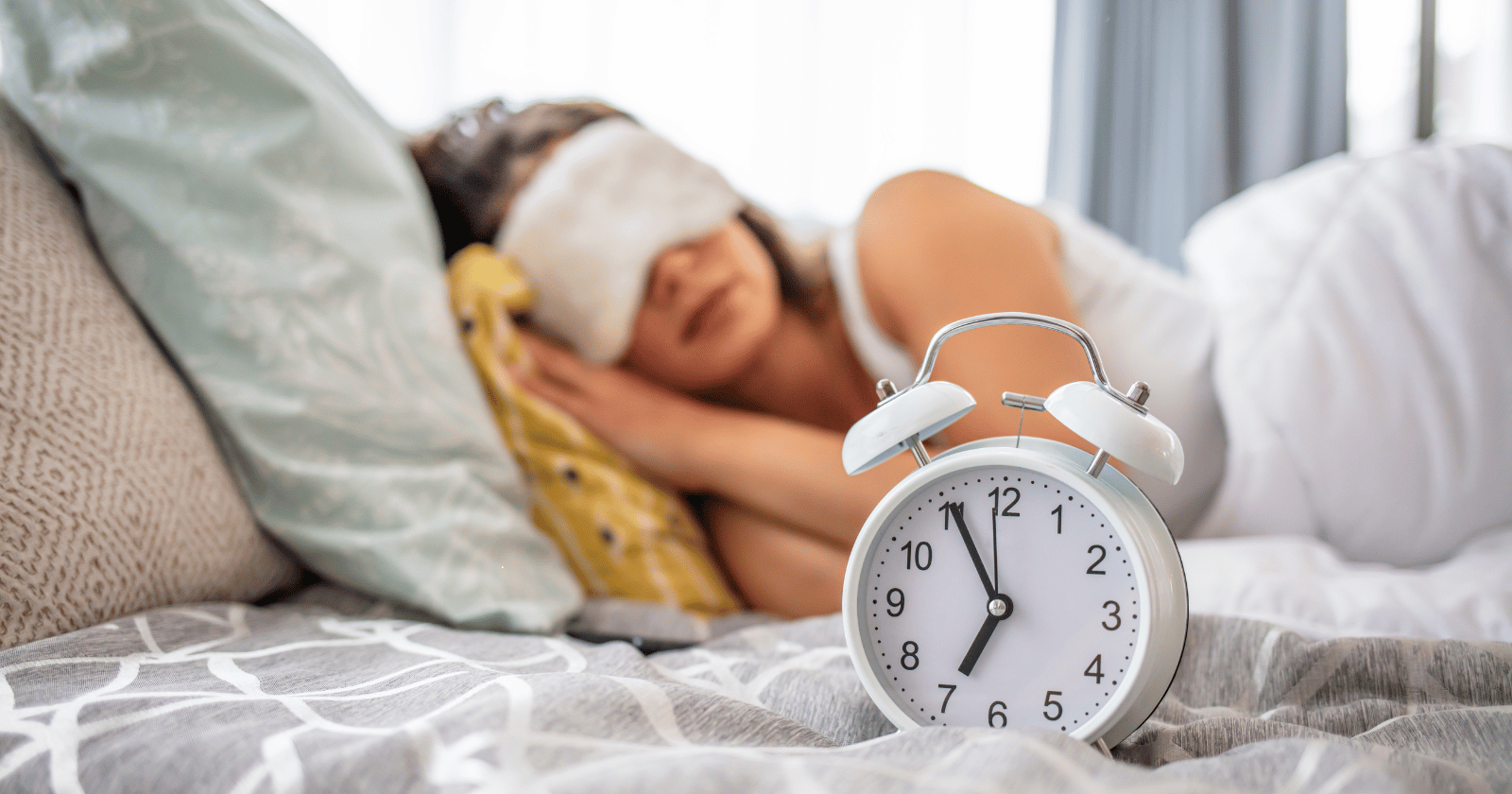
There’s something oddly comforting about the soft red glow of a digital clock on your nightstand.
No push notifications, no unread emails glaring at you, no algorithm begging for your attention, just time, quietly doing its job.
And if you’re someone who still wakes up to the steady beep beep beep of an old-school alarm clock instead of your iPhone’s cheerful marimba, you might not realize it, but psychology says that choice reveals a lot about you.
Because here’s the truth: in a world obsessed with convenience, choosing something slightly inconvenient is rarely random.
You’re not just being “retro.” You’re making a statement about control, focus, and the kind of peace you want in your life.
Here are seven traits people who still use physical alarm clocks tend to share, and why that tiny, analog decision speaks volumes about how your mind works.
1. You crave boundaries in a boundaryless world
Let’s start with the obvious: using a real alarm clock means your phone stays out of reach.
That’s not just a good sleep habit. That’s a boundary, and in today’s attention economy, boundaries are basically acts of self-defense.
According to a large cross-sectional study in JAMA Network Open, adults who used electronic screens in the hour before bed reported shorter sleep duration and poorer sleep quality compared to those who didn’t.
So if you’ve chosen to exile your phone from the bedside table, you’re not just being disciplined. You’re protecting your peace.
You’ve learned how overstimulation messes with your nervous system, and you’re not letting the chaos of group chats and midnight notifications leak into your rest.
You probably don’t want your day to begin and end inside a glowing rectangle. You want a clear line between “me” and “everything else.”
And that’s not just smart. That’s emotionally intelligent.
2. You romanticize the simple things (and you’re not sorry about it)
If you’re a physical alarm clock person, chances are you find joy in tactile, analog experiences, the click of turning a dial, the hum of time passing, the satisfaction of something that just works.
That’s not nostalgia for nostalgia’s sake. It’s sensory. It’s psychological.
A recent study on human–object interaction found that caring for and interacting with everyday objects was significantly associated with life satisfaction, suggesting that tactile, hands-on engagement creates stronger emotional connection and presence.
Maybe you’re the kind of person who prefers real books over e-readers, handwritten notes over text reminders, or polaroids over camera rolls.
You probably understand something most people forget, that small rituals give life texture. That slower doesn’t mean outdated; it means mindful.
And while others chase the next app that promises to “optimize” their lives, you’re over here fine-tuning your analog rhythm and feeling kind of smug about it. (Rightfully so.)
3. You resist trends (even when they’re convenient)
Everyone’s got a phone alarm. Some have smartwatches that track “sleep performance” and suggest “optimal wake times.”
You? You’ve opted out.
That small decision says more about your mindset than you think. It shows you have a healthy skepticism of tech culture and a quiet resistance to the idea that convenience always equals improvement.
You’ve probably figured out that just because a gadget can do something doesn’t mean it should.
This ties into a concept author Cal Newport calls digital minimalism, the idea that technology should serve a purpose, not dominate your life.
Using a physical alarm clock doesn’t mean you’re a technophobe; it means you have taste. You’re selective. You want tools that simplify your life, not swallow it whole.
It’s a quiet kind of rebellion, the kind that says, “I don’t need an app to tell me when to wake up or how to live.”
4. You value routine (and secretly thrive on it)
Let’s be honest, people who use alarm clocks tend to be planners. You’re not relying on the chaos of half-asleep swipes and snooze buttons. You’ve decided what time you’ll wake up and you stick to it.
That predictability isn’t boring. It’s stabilizing.
Psychologists call this self-regulation, the ability to manage your behavior and impulses in pursuit of long-term goals.
It’s the same mental muscle that helps you show up to the gym when you don’t feel like it or finish a project before the deadline.
Maybe your friends think you’re “too structured,” but deep down you know that structure is what keeps you sane.
It frees up mental energy for creativity, relationships, and let’s be real, impulsively booking weekend trips when the vibe hits.
Your routine isn’t a cage; it’s a container. It helps you move through life with rhythm instead of chaos. And that’s why you probably get more done before 9 a.m. than some people manage all week.
5. You’re intentional about your mornings
This one’s personal for me.
I started using a physical alarm clock last year after realizing my phone wasn’t just waking me up, it was ambushing me.
Before I even brushed my teeth, I’d seen breaking news, work emails, and someone’s “5 a.m. miracle morning routine” that made me question my entire existence.
So, I switched.
Now, my alarm goes off. I stretch. I take a few deep breaths. Sometimes I just stare at the ceiling and let my thoughts catch up. No rush, no scroll, no cortisol spike.
And it’s wild how different my mornings feel. I’m calmer. My thoughts feel like mine again.
If you’ve made this switch too, you probably crave autonomy, that sense of control over how your day begins.
So yeah, your little alarm clock might look simple, but it’s doing some pretty complex psychological work for you.
6. You’re less dependent on external validation
Here’s the thing about waking up with a phone: it’s never just an alarm. It’s a one-way ticket to a dopamine buffet.
You swipe to turn it off, and suddenly you’re checking texts, refreshing emails, or scrolling through social media before you’ve even sat up.
And just like that, your brain’s already running on other people’s opinions, successes, and filtered perfection.
But you? You avoid that.
People who use physical alarm clocks tend to be internally referenced, meaning their sense of self-worth doesn’t rely on external feedback loops.
You wake up with your own thoughts first, not the internet’s. You’re less reactive and more centered.
Research in Frontiers in Psychology found that people with higher self-control and internal regulation report greater life satisfaction and emotional stability — essentially, the more anchored you are within yourself, the less chaos outside can shake you.
You don’t need likes to start your day feeling good. You already have a baseline of self-assurance that’s not dependent on anyone else’s approval.
And that’s one of the rarest flexes there is.
7. You have an appreciation for stillness (and you protect it fiercely)
Let’s face it: stillness is hard to come by these days.
Our brains are wired to chase stimulation, more content, more updates, more noise. The second things get quiet, we reach for distraction.
But if you’re someone who’s chosen a physical alarm clock, chances are you protect your quiet moments. Especially around sleep.
You probably treat your bedroom like a no-fly zone for technology, no phones, no notifications, no endless scroll.
And that’s not old-fashioned; it’s self-aware.
Eliminating screens and electronic devices from the bedroom improves sleep quality and reduces cognitive arousal before bed.
So really, your “tech-free” zone isn’t about control; it’s about care. It’s about giving your brain the rest it needs to function properly.
You understand that silence isn’t emptiness; it’s restoration. You’re not afraid to be alone with your thoughts, you actually crave it.
And while the rest of the world scrambles for mindfulness apps, you’re out here practicing mindfulness by design.
That’s not accidental. That’s wisdom in disguise.
Final thoughts
In a world where your phone can wake you up, feed you news, and tell you what to feel before you’ve even had coffee, choosing a physical alarm clock might seem small.
But it’s not about the clock.
It’s about what it represents: boundaries, presence, and the refusal to let your peace be scheduled by algorithms.
If you’re someone who still uses one, you’re not behind the times, you’re ahead of them. You’ve realized something most people forget: rest and control are luxuries you can actually create for yourself.
You’ve chosen intentional living in a world addicted to autopilot.
So next time someone teases you for being “extra” for using a real alarm clock, let them.
Because while they’re still half-awake, doom-scrolling their way through the first ten minutes of the day, you’re already grounded, fully present, fully alive, and completely in charge of how your morning begins.
And that, honestly, is the most modern thing you could possibly do.