Jeanette Brown

Jeanette Brown is a writer and life coach who specializes in helping people navigate major life transitions, from career changes and relationship shifts to the quieter recalibrations that happen when the life you built stops fitting the person you have become. She began writing about self-improvement after going through her own period of reinvention and discovering that the most useful advice came not from people with perfect answers but from those willing to describe the process honestly. Her work draws on mindfulness, practical psychology, and the kind of self-awareness that only develops through experience. She writes about relationships, personal responsibility, emotional resilience, and the patterns that keep people stuck, often without them noticing. She is particularly interested in the transitions that do not come with obvious labels: the slow realization that a friendship has run its course, the decision to stop performing competence and start asking for help. Jeanette has built an audience of readers who value directness over inspiration and practical steps over motivational slogans. She lives between Singapore and Australia, runs her own site at jeanettebrown.net, and believes that the most important work most people will ever do is the work they do on themselves.

The lower-middle-class households of the 1960s and 70s produced a specific kind of adult — frugal without meaning to be, grateful without being asked, and carrying a quiet shame nobody ever named for them
Posted 22 Apr 2026, by

Jeanette Brown

Warm living room with vintage furniture and wood paneling, showcasing classic decor.

The children of the lower-middle class in the 1960s and 70s didn't grow up poor, and that distinction is where all the confusion begins. Poverty has a vocabulary. Struggle has a sociology. But the households that sat one uncertain rung above real hardship — the ones where the ...Read More

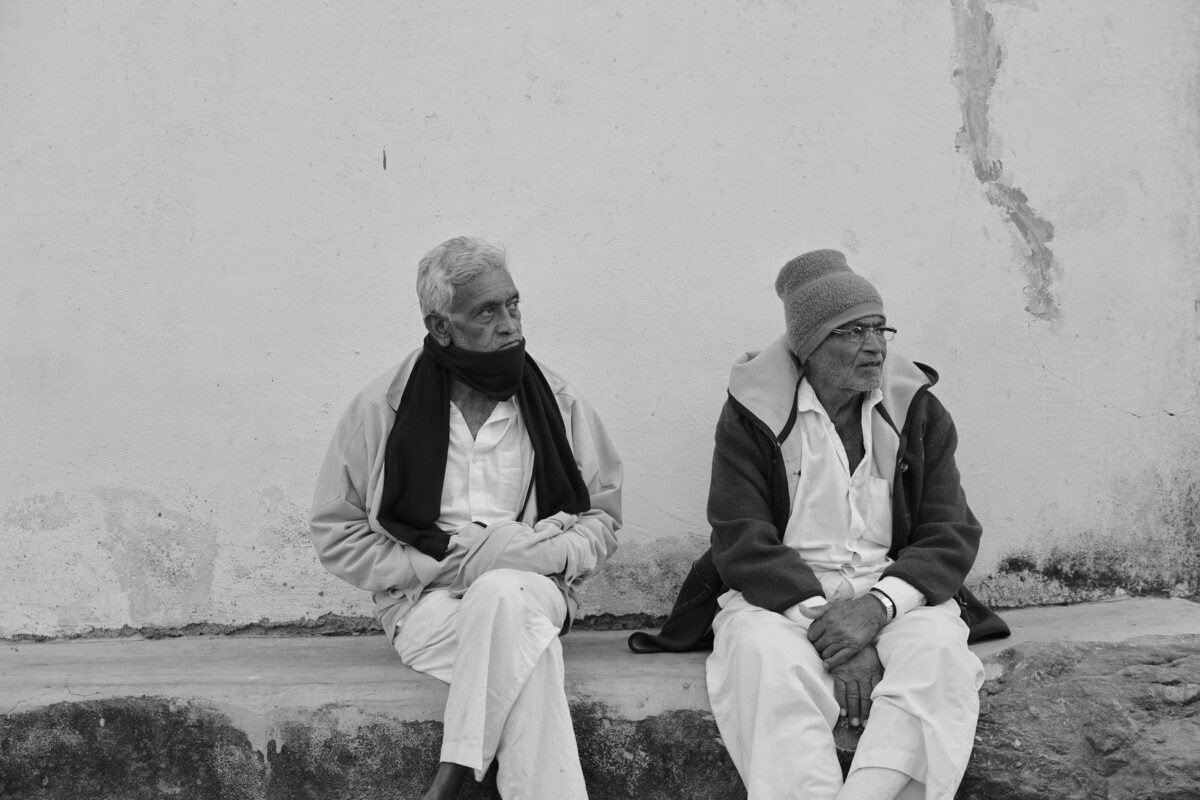
The people who stay sharpest into their seventies and eighties often share one habit — they maintain at least one relationship where the conversation goes deeper than weather, grandchildren, and what’s for dinner

Posted 21 Apr 2026, by

Jeanette Brown

Black and white photo of two elderly men sitting on a bench, reflecting contemplation.

Most of my friendships that have lasted thirty years started with one honest sentence at exactly the wrong moment. A comment that landed too hard, or a question asked when nobody else in the room would have dared. I remember thinking each time: this person is either going ...Read More

7 signs that what looks like comfortable independence in retirement is actually the slow withdrawal that loneliness researchers now link to a fifty percent increased risk of dementia

Posted 19 Apr 2026, by

Jeanette Brown

A black and white photo of a person standing behind a curtain, looking out the window, conveying isolation.

Comfortable independence in retirement is one of the most effective disguises loneliness has ever worn. It looks like someone who has their life together — quiet mornings, a tidy garden, books stacked on the nightstand, no need to bother anyone. And because we live in a culture that ...Read More

Most people think protecting your brain in later life requires puzzles and supplements and mental exercises — but the most powerful neuroprotective factor researchers have identified is simply having someone who is genuinely glad to see you

Posted 17 Apr 2026, by

Jeanette Brown

An elderly couple enjoys a peaceful moment reading together indoors, illustrating love and companionship.

Your brain protects itself through other people. Not through crosswords, not through omega-3 capsules, not through apps that promise to sharpen your working memory in twelve minutes a day. The single most underestimated factor in cognitive longevity is relational — whether someone in your life is genuinely glad ...Read More

Children who were praised only for being helpful and rarely for being happy grew into adults who feel most like themselves when they’re solving someone else’s problem and most lost when the room doesn’t need them

Posted 15 Apr 2026, by

Jeanette Brown

Two male volunteers packing donation bags with essentials indoors.

Praise feels universally good, which is exactly why its specific shape goes unexamined. Most parents, most teachers, most well-meaning adults hand it out believing all praise builds confidence. But research on how different types of praise land in a child's developing psyche suggests something more complicated: certain forms ...Read More