

If you still keep a paper calendar in your home, you probably have these 7 personality traits

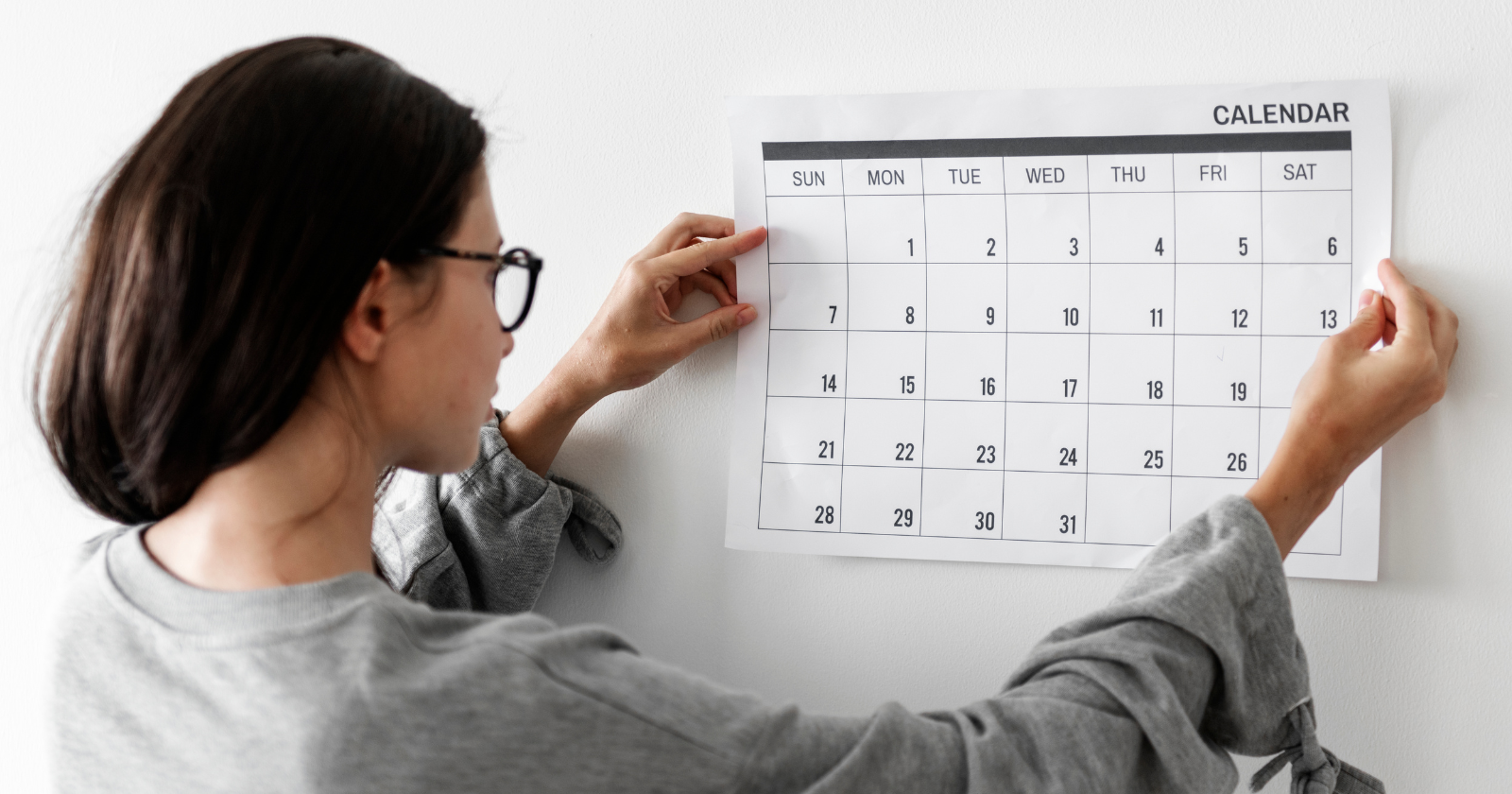
There’s something special about having a paper calendar in your home.
While digital calendars have taken over, a few of us still enjoy the old school charm of flipping through physical pages to mark our dates.
Psychology suggests that if you’re among those who still keep a paper calendar, you might have some unique personality traits.
In this article, we’ll explore these seven intriguing characteristics.
Don’t worry, we’re not here to judge or change your calendar preferences – just to share some fun insights!
1) You value tradition
If you still use a paper calendar, it might mean you have a strong sense of tradition.
Let’s face it – in this digital age, maintaining a paper calendar can seem a bit old-fashioned.
But for some, the charm of paper over pixels is just too irresistible to give up.
You see, tradition is about continuity and connection. It’s about preserving and passing down certain customs or behaviours.
And your preference for a paper calendar might just be echoing this sentiment.
As the famous psychologist Carl Jung once said: “The creation of something new is not accomplished by the intellect but by the play instinct acting from inner necessity. The creative mind plays with the objects it loves.”
And who knows?
Perhaps your love for a paper calendar is your creative mind playing, keeping you connected to a past tradition while creating something new in your own unique way.
There’s no right or wrong here – just different strokes for different folks. And if you’re a traditionalist at heart, then long live the paper calendar!
2) You are tactile
Ever since I was a child, I’ve loved the feel of paper. There’s something about its texture, the rustling sound it makes when turned, that has always appealed to my senses.
If you, like me, still use a paper calendar, it could indicate that you’re a tactile person.
Being tactile means you prefer physical touch and contact.
You appreciate the feel of things – like the smoothness of a pen gliding on paper or the satisfying flip of a calendar page at the end of each month.
This preference could be linked to the way our brains process information. As renowned psychologist Maria Montessori said: “What the hand does, the mind remembers.”
This tactile engagement with our environment could potentially enhance our cognitive abilities and memory.
Next time you run your fingers over your paper calendar, remember that this simple act could be a testament to your tactile nature and its potential benefits for your cognitive health.
3) You may be a procrastinator
Are you often pushing tasks to the last minute?
If you’re nodding along, keeping a paper calendar might be a telltale sign of your procrastination tendencies.
Procrastination is a common trait among many of us – it’s the act of delaying or postponing tasks, often out of fear or avoidance.
It’s not something to be proud of, but it’s something many of us grapple with.
Keeping a paper calendar can be a way to visually represent time and tasks, helping our minds grasp the concept of deadlines better.
The physical act of crossing off days or tasks can feel rewarding and motivate us to start working.
As Sigmund Freud, the father of psychoanalysis, once said: “Unexpressed emotions will never die. They are buried alive and will come forth later in uglier ways.”
Similarly, pushing tasks under the rug won’t make them disappear. They’ll only resurface with added stress and anxiety.
If you’re using that paper calendar as a weapon against procrastination, more power to you!
Acknowledging a problem is the first step towards solving it.
4) You’re highly organized

If you have a paper calendar hanging on your wall, it’s a good sign you’re an organized person.
Maintaining a paper calendar requires discipline and a systematic approach.
You need to manually update it and keep track of upcoming events, birthdays, appointments, and deadlines.
It’s something digital calendars do automatically but when it comes to paper calendars, it’s all you.
By writing down your plans and commitments on a paper calendar, you’re not just organizing your time – you’re also potentially boosting your memory in the process.
If you’re someone who religiously maintains a paper calendar, give yourself a pat on the back for your excellent organizational skills!
5) You appreciate simplicity
Do you find beauty in simplicity? I certainly do. And if you’re an avid paper calendar user, there’s a good chance you do too.
In a world filled with complex digital tools and apps, choosing a simple paper calendar could be a sign that you prefer straightforward, uncomplicated ways of doing things.
It’s about stripping down to the basics and appreciating the simple act of jotting down appointments or notes.
Albert Einstein once said, “Out of clutter, find simplicity.”
Your preference for a paper calendar might just be your way of finding simplicity amidst the clutter of digital distractions.
Here’s to you, who finds joy in the simple act of marking dates on a paper calendar and appreciates the beauty of simplicity!
6) You’re forward-thinking
Now this may sound counterintuitive. After all, how can using something as traditional as a paper calendar be a sign of being forward-thinking?
Let me explain.
Forward-thinking isn’t just about embracing the latest technology or trends.
It’s about having a clear vision of the future and taking steps towards it. And sometimes, these steps involve going back to basics.
By using a paper calendar, you’re planning ahead, visualizing your schedule, and preparing for future events.
This proactive approach towards time management is a clear trait of forward-thinking individuals.
As Carl Rogers, one of the most influential psychologists of the 20th century, once said: “The only person who is educated is the one who has learned how to learn and change.”
Your preference for a paper calendar could reflect your ability to adapt and change your methods for better future planning.
If you’ve got a paper calendar on your wall, it might just be an indication that you’re not just living in the moment, but also preparing for the future.
7) You’re mindful
Using a paper calendar could be a sign that you practice mindfulness.
Mindfulness is about being present and fully engaged with whatever we’re doing at the moment. It’s about slowing down to really notice things.
When you write on a paper calendar, you’re taking a moment to pause, think, and engage with the task at hand.
This simple act of mindfully writing can have a calming effect.
Sylvia Boorstein once stated: “Mindfulness is the aware, balanced acceptance of the present experience.”
If you’re still keeping a paper calendar in your home, relish in the knowledge that this could be an expression of your mindful nature.
Final reflections
The beauty of human nature lies in its diversity and complexity.
Our preferences, habits, and quirks, no matter how minor they seem, can offer profound insights into our personalities and values.
Take something as simple as keeping a paper calendar in your home.
Who would’ve thought it could be a window into understanding seven distinct personality traits?
From valuing tradition to embodying mindfulness, these traits are unique facets of your identity.
They shape who you are and influence how you navigate through life.
Next time you flip a page on your paper calendar or jot down an appointment, take a moment to appreciate the complex tapestry of traits and tendencies that it represents.
And remember – these traits are not labels but reflections of your multifaceted personality.
Because at the end of the day, it’s these little things – like keeping a paper calendar – that make us beautifully unique in our own ways.
