

7 conversation habits that reveal someone is pretending to be polite


We’ve all been there.
You’re in a conversation with someone and, on the surface, they seem perfectly polite. Yet, something feels off.
Perhaps it’s the way they keep glancing at their watch or how their smile doesn’t quite reach their eyes?
You can’t quite put your finger on it, but you can’t shake the feeling that their politeness is nothing more than a facade.
And here’s the kicker. You’re probably right.
In my experience, I’ve found that there are subtle signs that give away someone’s insincerity. So, if you’ve ever wondered “How can I tell if someone is just pretending to be polite?” you’re in for a treat.
In the next sections, we’ll delve into seven conversational habits that can help you spot a counterfeit courteousness from a mile away. This way, not only will you be able to save yourself from unnecessary disappointment but it could also help you understand others better.
Buckle up folks—it’s time to play detective!
1) Overuse of polite words and phrases
Ever encountered someone who, seemingly, can’t go two sentences without throwing in a ‘please’, ‘thank you’ or ‘excuse me’?
While being polite is generally a good thing, an excessive use of these words and phrases can sometimes be a mask for insincerity.
It’s like they’ve read a manual on etiquette and are adhering to it religiously.
Don’t get me wrong.
Polite words have their place, but when they’re overused, it can start to feel forced and insincere. Genuine politeness flows naturally and doesn’t need to be constantly signposted.
So next time you’re in a conversation with someone who’s excessively polite, take note. They may not be as genuine as they seem.
2) Avoidance of eye contact
This one really hits home for me.
I remember once being in a conversation with a colleague who, on the surface, seemed incredibly polite. But there was something that bothered me – he rarely made eye contact.
His eyes would dart around the room, fixate on his coffee cup, or skim over my shoulder. It was as if I was having a conversation with the top of his head rather than him.
Here’s the thing.
Eye contact can be a powerful indicator of sincerity. When someone maintains a steady gaze during a conversation, it generally indicates that they’re engaged and genuinely interested in what you have to say.
When someone avoids eye contact, it can often feel like they’re not truly present in the conversation, no matter how polite their words may be.
3) Constant interruptions
There’s nothing quite like the sting of being interrupted mid-sentence.
You’re there, pouring your heart out, sharing your thoughts, or even just discussing last night’s TV show, when bam! They cut you off mid-flow, often with a seemingly polite interjection.
Here’s the reality.
True politeness is about more than just using the right words. It’s about respecting the other person’s space to express themselves.
Interjections, no matter how politely phrased, can often feel like a dismissal of your thoughts and feelings. It’s as if they’re saying, “I hear you speaking, but what I have to say is more important.”
Yes, while they may be wrapping their interruptions in a blanket of courteous language, don’t be fooled. Genuine courtesy listens more than it speaks.
4) Sarcasm disguised as humor
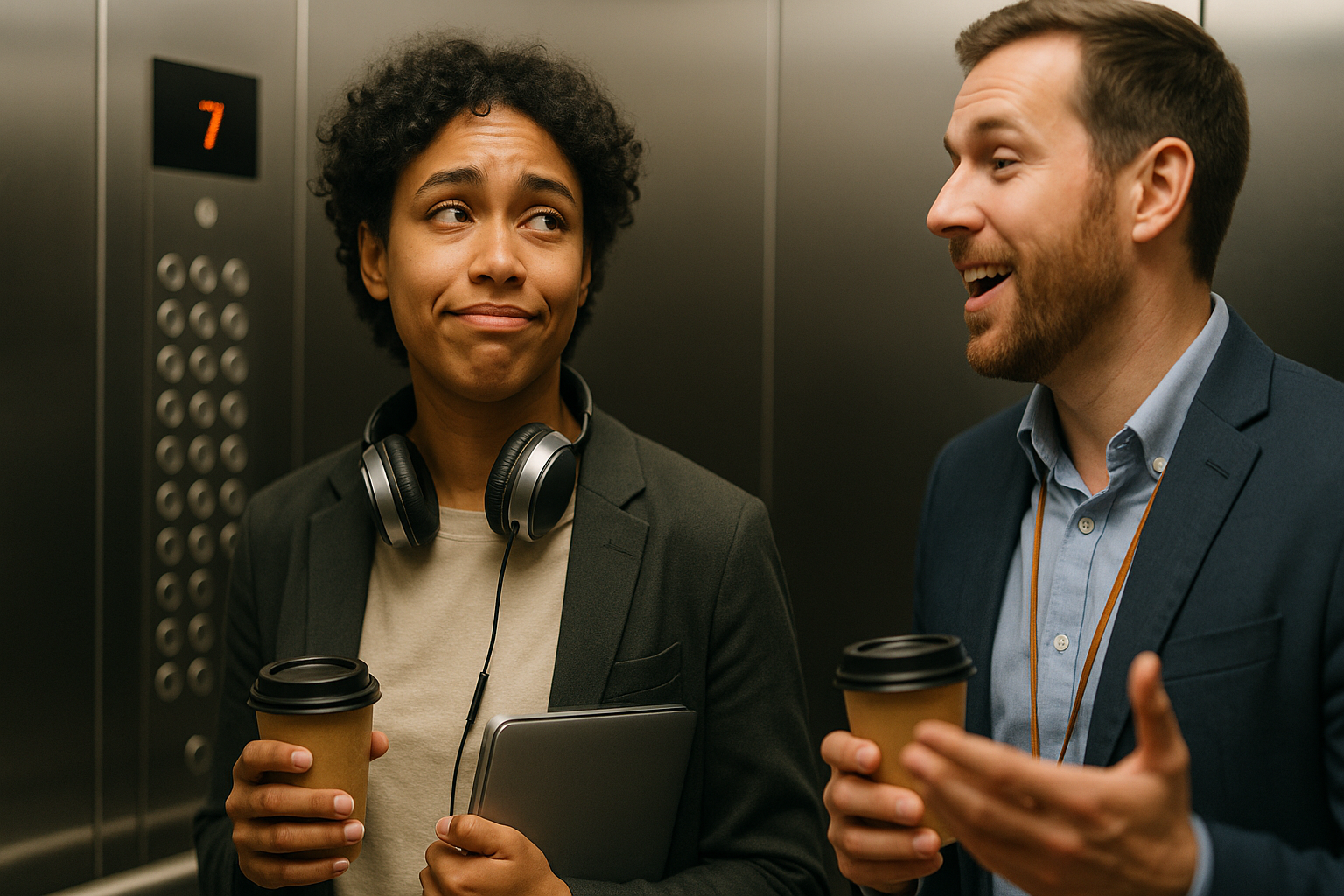
Have you ever been in a conversation where a supposed joke left you feeling a little uncomfortable?
There’s this one person I know who always tends to use sarcasm under the guise of humor. On the surface, it seems like they’re just being funny, keeping the conversation light.
But here’s what I’ve noticed.
Often, their jokes are at the expense of others and their laughter feels forced. And even though they dress up their sarcasm as humor, it feels more like a veiled insult.
Politeness isn’t just about being nice to someone’s face. It’s about being considerate of their feelings, even when they’re not in the room.
If someone uses humor as a cover for sarcasm or mean-spirited jabs, don’t be fooled. It could be a sign that their politeness is just for show.
5) Lack of genuine compliments
Have you ever received a compliment that felt like it had been plucked out of thin air, rather than being rooted in anything specific or sincere?
Compliments are a powerful tool in conversation. When used genuinely, they can help build rapport and make the other person feel valued.
But here’s an intriguing tidbit.
Insincere compliments can actually harm relationships more than they help. This is because they can create a sense of distrust and make the recipient feel manipulated.
So, if someone’s compliments feel generic or as though they’re being doled out just for the sake of it, take heed. It could be another sign that their politeness isn’t as genuine as it appears.
6) Being dismissive of your feelings
Let me share a little something.
We all have our moments of vulnerability, times when we need a listening ear more than anything else. It’s during these times that the sincerity of the person we’re talking to truly shines through.
A genuinely polite person will acknowledge your feelings and provide comfort or advice when needed. They won’t dismiss your emotions or belittle your experiences.
However, if someone brushes off your feelings with a quick change of topic or an offhand comment, it might be a sign that their politeness is just a charade.
Remember, empathy is the heart of true politeness. If they can’t offer that, then their courteous words may not hold much weight.
7) Always talking about themselves
Politeness is a two-way street. It’s about showing interest in the other person, asking about their day, and genuinely listening to their responses.
However, if someone constantly turns the conversation back to themselves, it’s a pretty clear sign that their politeness is merely superficial.
A truly polite person understands that a good conversation involves give and take. They know that it’s not just about speaking, but also about listening.
So if you find yourself stuck in a one-sided conversation, with the other person barely showing interest in your thoughts or experiences, take note. Their polite facade may be hiding a lack of genuine concern or interest.
Wrapping it up
If you’re nodding along with these points, don’t worry. We’ve all encountered individuals who seem polite on the surface but leave us feeling somehow…unsettled.
Here’s what you need to remember.
Politeness isn’t just about saying the right words or having perfect manners. It’s about genuine respect, listening, and empathy. It’s about being present and authentic in our interactions with others.
So next time you’re in a conversation, pay attention. Look beyond the polite words and observe the underlying habits.
Are they really listening? Are their compliments sincere? Do they respect your feelings and opinions?
And while it’s important to recognize these signs in others, let’s not forget to turn the mirror on ourselves too.
Are we embodying true politeness in our conversations? Or are there areas where we can improve?
Remember, self-improvement is a journey, not a destination. And every step you take towards authenticity is a step towards deeper, more meaningful connections with others.
So keep observing, keep growing, and most importantly, keep being your authentic self. Because at the end of the day, nothing beats genuine respect and kindness in conversation.
